USPS Ground Advantage to Hawaii, Alaska and Puerto Rico
On October 1, 2026, USPS extended its published delivery expectations for Ground Advantage to Hawaii, Alaska, Puerto Rico and the US territories. What changed, and how to reset the delivery promise at checkout.
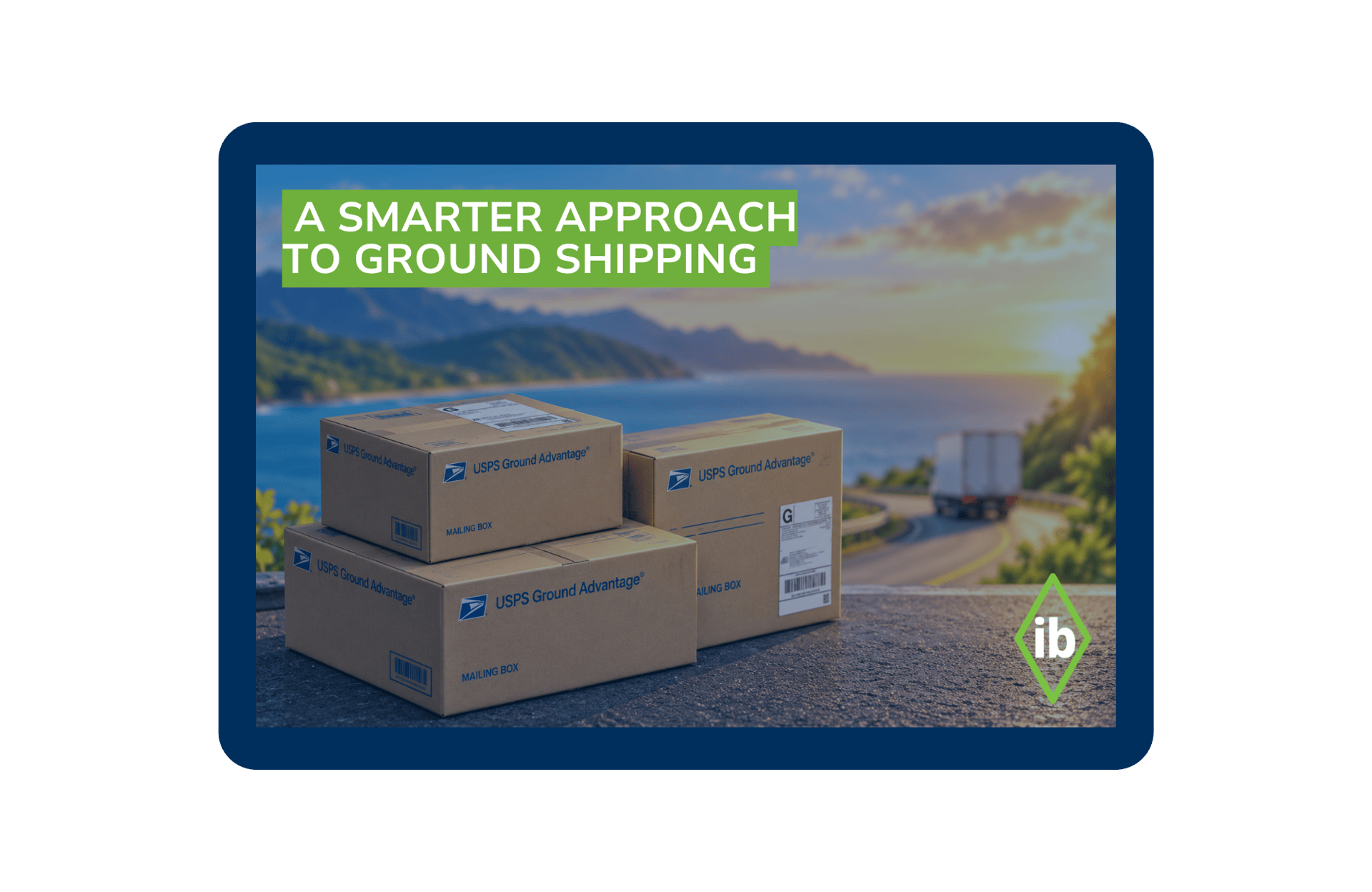
A delivery promise is a commercial commitment. It sets the expectation a buyer accepts at checkout, the window a customer service team defends, and the point at which a parcel turns into a complaint. For retailers serving Hawaii, Alaska, Puerto Rico and the US territories, the published basis for that promise moved on October 1, 2026.
What changed on October 1, 2026
USPS adjusted the service expectations it publishes for two package services on non-continental lanes.
USPS Ground Advantage packages traveling between the contiguous 48 states and Alaska, Hawaii, American Samoa, Guam, the Northern Mariana Islands, Puerto Rico and the US Virgin Islands now carry a published expectation of 10 or more business days, not guaranteed. USPS states that some expectations run significantly longer, depending on the destination.
Priority Mail expectations for the same destinations moved to 2 to 4 days for Alaska, Hawaii, American Samoa, Puerto Rico and the US Virgin Islands, and 2 to 6 days for Guam and the Northern Mariana Islands. Priority Mail Express was not affected.
One transportation change sits alongside the published adjustment. Ground Advantage packages under one pound moving to and from non-continental locations now travel primarily by surface, which aligns them with how heavier Ground Advantage volume already moved.
The adjustment and the destination list are published by USPS on PostalPro.
What USPS Ground Advantage includes
None of the service terms changed on October 1. They are:
● Packages from 1 ounce up to 70 pounds.
● A maximum of 130 inches in combined length and girth.
● USPS Tracking included in the price of the label.
● $100 of insurance included on eligible outbound and return shipments.
● Additional merchandise coverage available for purchase, up to $5,000.
● Free package pickup.
● A 2 to 5 business day service standard within the contiguous US.
Weight limits, dimensional limits and coverage terms are published on the USPS Ground Advantage service page. The October 1 changes affected published delivery expectations and the transportation used for packages under one pound, as set out in the September 25 notice. The terms listed above are unchanged.
Does the insurance change for non-continental destinations?
The included $100 applies on the same terms regardless of destination. Additional coverage up to $5,000 remains available for purchase. A parcel to Honolulu carries the same coverage as a parcel to Columbus.
The included $100 is a baseline rather than a valuation of the shipment. Where the contents are worth more than that, the additional coverage is bought at the time the label is created, and that is a decision to make deliberately before peak volume starts.
Why non-continental transit runs longer
Hawaii, Puerto Rico and the island territories can be reached only by air or sea. Alaska can also be reached overland, on a route that runs through Canada, crosses an international border, and carries its own seasonal constraints. In every case the parcel moves on a scheduled departure rather than on demand.
Surface movement runs on sailing and linehaul schedules. A parcel that misses a departure waits for the next one, and the wait is measured in days rather than hours. Air lift is faster, and it is also finite. Capacity on these lanes is allocated ahead of the season, and parcels compete for it with everything else moving that week.
Arrival is not delivery. A parcel landing in Honolulu may still have an inter-island leg ahead of it. A parcel landing in Anchorage may still need a regional aircraft, a barge, or a seasonal road to reach a community that has none of the three for part of the year. Puerto Rico adds an address-structure problem, where urbanization names and secondary address lines fail validation on systems built for mainland US formats. More on how that lane is set up on the Puerto Rico shipping page.
After two decades on these lanes, the pattern is familiar. USPS aligned the transportation for lighter packages with the surface-based transportation already used for heavier ones, and moved the published expectation closer to what that movement requires. The gap that matters commercially sits between the promise shown at checkout and the behavior of the lane. In International Bridge's experience, that gap often translates into additional customer service inquiries.
What this changes in your operation
● Checkout estimates. A 5-day window carried over from the previous published standard no longer matches what USPS publishes for these destinations. A shorter window can still be offered, provided it rests on your own delivery data rather than the carrier standard.
● Returns windows. The inbound leg carries the same expectation. A policy window measured from delivery is unaffected, while a slower return leg delays the refund and shapes how the customer experiences it.
● Customer service load. A longer published window may increase order-status contacts, and those contacts tend to arrive in the week your team is busiest.
● Marketplace metrics. Where a marketplace scores you on estimated delivery date, a longer published expectation can affect that score, depending on how the marketplace calculates it.
● Peak planning. USPS initially recommended December 16, 2026 as the holiday send-by date for Ground Advantage to Alaska, Hawaii, Puerto Rico and the US territories. Its current holiday chart no longer gives a single Ground Advantage send-by date for these destinations. USPS directs shippers to check the expected delivery date for their own origin and destination, since these shipments may run 10 or more business days. Plan against the expectation for your lane rather than a single national cutoff.
How International Bridge handles non-continental shipping
IB Non-Con was built for Hawaii, Alaska, Puerto Rico, the US territories and APO/FPO/DPO addresses, and International Bridge has operated these lanes for more than two decades. The design starts from the constraint.
Volume is consolidated and injected into established air routes, reducing reliance on long-distance surface transportation. Delivery inside the market is handled by partners who work that geography every day, including the inter-island and rural legs that decide whether a parcel arrives on the promised day. Tracking is developed in-house, so the system is designed to maintain visibility across the handoffs.
Under normal operating conditions, IB Non-Con delivers to Hawaii, Puerto Rico and Alaska in 2-5 business days, and reduces shipping costs by approximately 30% against standard network pricing. Rural and bush Alaska runs on the access schedule described above, and those windows vary by community. Live customer service runs Monday-Friday 24 hours and Saturday 9:30am-1:30pm MST, with tracking and FAQ available 24/7.
Choosing a service for a non-continental lane
● Low value, no date sensitivity, a buyer who accepts a long window: a surface service remains workable, and the published expectation should appear in your checkout copy.
● A delivery date that forms part of the offer: route by air and price the lane accordingly.
● Frequent returns: model both directions. The return leg carries the same expectation and the same customer.
● Growing volume to these destinations: the published window is now a structural input to conversion. Model it before peak.
Frequently asked questions
How long does USPS Ground Advantage take to Hawaii, Alaska and Puerto Rico?
USPS publishes an expectation of 10 or more business days, not guaranteed, for Ground Advantage packages traveling between the contiguous 48 states and Alaska, Hawaii, Puerto Rico, the US territories, effective October 1, 2026. The expectation varies by destination, and USPS states that some lanes run significantly longer. The 2 to 5 business day standard that many retailers quote applies within the contiguous US only.
Does USPS Ground Advantage include insurance to non-continental destinations?
Yes. Eligible Ground Advantage shipments include $100 of coverage on both outbound and return legs, and that figure does not vary by destination. Additional merchandise coverage of up to $5,000 is available for purchase at the time the label is created.
Why did the delivery expectations change on October 1, 2026?
USPS stated that the adjustment aligns published expectations with available transportation options and actual travel distance. Alongside the change, Ground Advantage packages under one pound to and from non-continental locations moved to primarily surface transportation, matching how heavier packages already traveled. The stated aim is a more realistic expectation for customers in the affected locations. USPS published the adjustment in a notice dated September 25, 2026.
What is the faster option for parcels to Hawaii, Alaska and Puerto Rico?
Air-based routing is the practical answer for any shipment where the delivery date forms part of the offer. IB Non-Con consolidates volume into established air routes and delivers to Hawaii, Puerto Rico and Alaska in 2-5 business days under normal operating conditions. Final delivery times may vary for remote destinations, particularly Hawaii's outer islands and rural Alaska, where additional transportation arrangements can affect transit.
Plan a non-continental lane with International Bridge
If you ship to Hawaii, Alaska, Puerto Rico or the US territories, a short conversation will cover the delivery promise you show at checkout today, where your volume actually lands, which legs are adding the days, and what a 2-5 business day window would require for your lanes. You will leave with a view of the lane, whether or not you work with us.
Start the conversation at myib.com/contact-us.
Keep reading
Definitive guide to shipping to Hawaii, Puerto Rico, and Alaska. The architectural view across all three destinations, and the right place to start if you are mapping a network rather than fixing one lane.
Hawaii shipping page. Market framing, coverage and performance detail for retailers deciding whether to serve the islands properly.
Alaska shipping page. Useful if your volume reaches beyond Anchorage and Fairbanks into communities where access changes with the season.