International Bridge on the ground at PARCEL Forum and ShipHero Horizon Summit 2026
International Bridge at PARCEL Forum and ShipHero Horizon 2026.
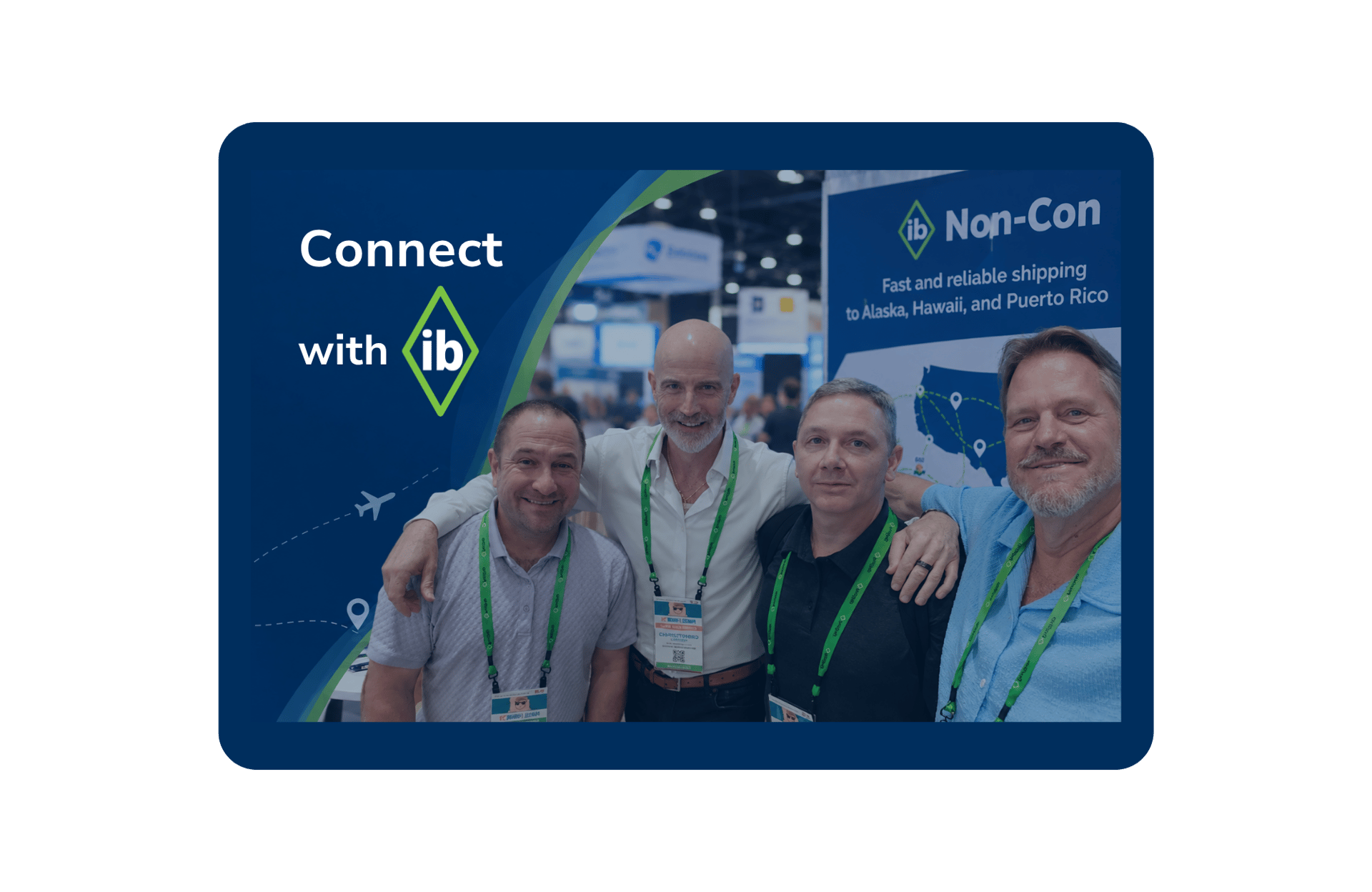
Two cities. Two logistics events. One busy week for the International Bridge team.
This week our sales team is on the ground at two industry gatherings: PARCEL Forum 2026 at the Gaylord Palms Resort & Convention Center in Orlando, running September 14 to 16, and the ShipHero Horizon Summit 2026 in Las Vegas, running September 16 to 18.
The timing lines up almost perfectly. PARCEL Forum closes its exhibit hall on the afternoon of September 16, the same day Horizon begins with badge pickup and its welcome reception.
The two rooms look nothing alike, and many of the conversations in them run along the same lines: how to make fulfillment simpler, how to keep parcel costs predictable, how technology fits into operations that are already running, and how to reach customers without adding steps for the warehouse team.
Here is what we are seeing and hearing so far.
PARCEL Forum: parcel shipping challenges are getting more specific
PARCEL Forum, which has gradually become a tradition for International Bridge, brings together people from across the small package fulfillment ecosystem, from shippers and transportation providers to technology vendors, 3PLs and warehouse teams. The program runs across dedicated conference sessions and two windows of exhibit hall time, which means most conversations start on the floor and finish over coffee somewhere else.
For International Bridge, it has been an opportunity to talk directly with companies about a part of parcel shipping we work in every day: reaching Alaska, Hawaii, Puerto Rico, US territories and APO/FPO/DPO addresses. That non-continental architecture is mapped out in our definitive guide to shipping to Hawaii, Puerto Rico, and Alaska.
The conversations at our booth have reinforced something we see year-round. Non-continental shipping often represents a small share of a shipper's total parcel volume, and those same orders can create a disproportionate amount of operational friction when the network or the shipping setup was built primarily for the mainland US.
Cost comes up first in most of those conversations. It is rarely the only thing on the list. Teams also want predictable transit times, visibility they can pass on to a customer service desk, and the ability to manage those orders inside the workflow they already use.
A few themes have come up often enough to be worth naming:
Service maps with gaps in them. Rate tables and delivery commitments that work cleanly for the mainland US start to break down once an order is headed to Hilo, Fairbanks, Guam or an APO address, and the exceptions end up handled manually.
Customer experience at checkout. Shippers are looking for options they can show a buyer in Alaska or Puerto Rico without long or vague delivery estimates.
Volume that does not justify a rebuild. Very few teams want to redesign their fulfillment operation around a minority of their orders. The interest is in handling those orders correctly without changing everything else.
ShipHero Horizon Summit: our team heads to Las Vegas
From Orlando, the week moves to Las Vegas.
ShipHero's Horizon Summit runs September 16 to 18, hosted inside LVK Logistics' working fulfillment facility in North Las Vegas. The main program opens September 17 with the ShipHero Spotlight, followed by keynotes, technical sessions, and live demos on technology, automation, and warehouse operations.
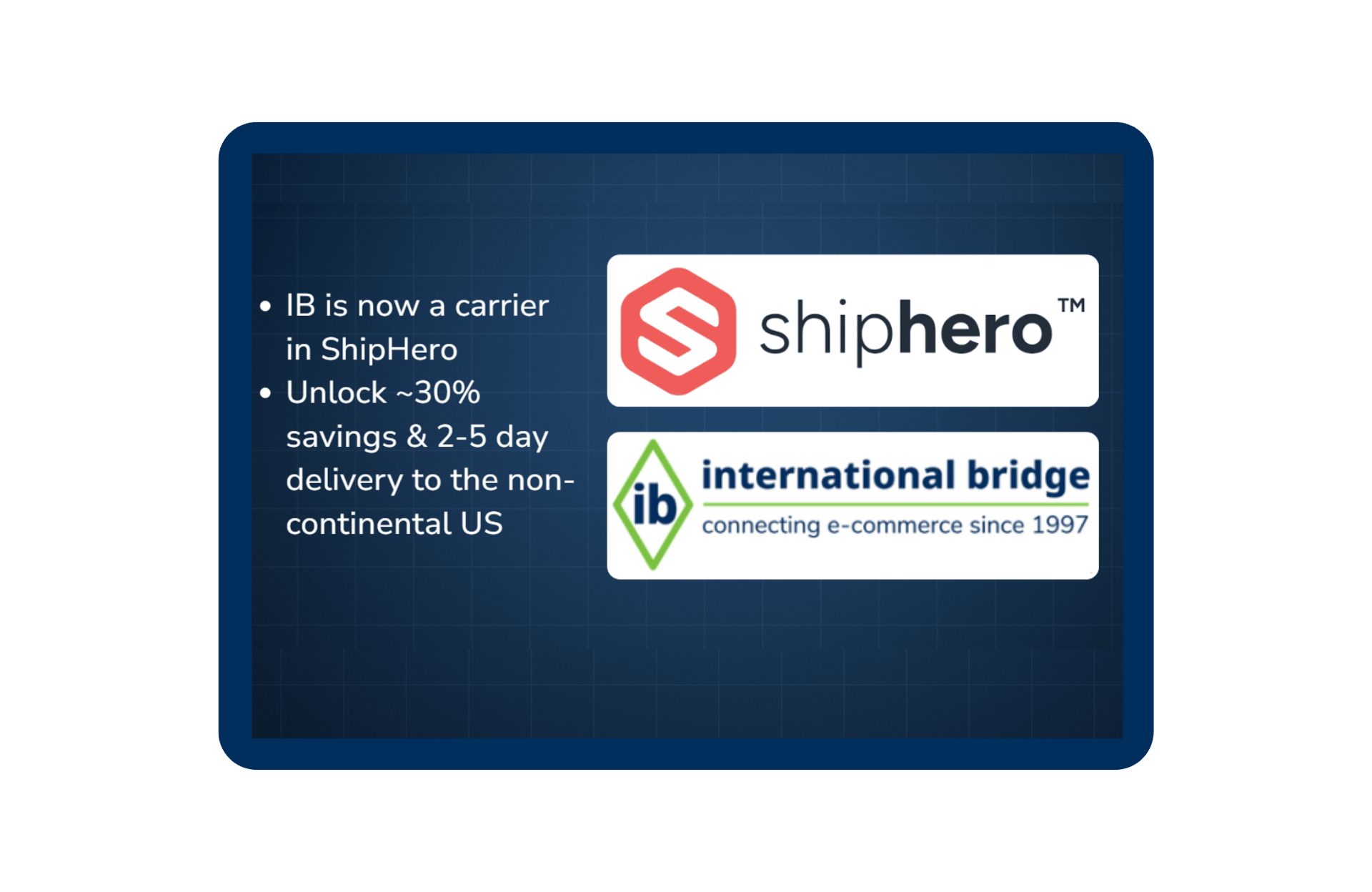
ShipHero's Horizon Summit is a community event that brings brands, 3pls, and partners together to solve challenges collectively. Attendees are actively engaged in discussions surrounding continual improvement and new ideas to serve their customers more effectively. As a new partner, International Bridge is thankful to collaborate with some of the very best in the industry.
Kyle Urech, Senior Sales Director, IB
What connects the two rooms
Across both rooms, the through line is the same. Fulfillment teams are trying to serve every customer they have, including the ones who do not live within easy reach of a mainland US hub, without adding manual work to keep those orders moving.
A purpose-built non-continental network brings those orders into a predictable, repeatable fulfillment flow rather than treating them as exceptions. A package headed to Hilo, Fairbanks or an APO address may follow a very different transportation network from a mainland shipment, but it should not require the warehouse team to reinvent the process every time.
That is a part of the shipping map International Bridge has worked for more than two decades: building reliable connections to Alaska, Hawaii, Puerto Rico, US territories and military addresses.
The aim is to make those destinations feel less like the edge of the network and more like a routine part of it.
Meeting the team
After PARCEL Forum Orlando, our team is heading to Horizon in Las Vegas, where the week continues through September 18.
Talk with our non-continental team. Tell us where your orders are going and what your current setup does with them, and we’ll look at the specifics together.
Continue exploring:
Definitive guide to shipping to Hawaii, Puerto Rico, and Alaska. The full picture of how non-continental lanes are built and why transit runs the way it does.
Hawaii shipping page. Market framing, transit, and pricing for one of the busiest non-continental lanes.