Shipping to PO Boxes: why it matters for e-commerce sellers
A checkout that rejects PO Box addresses turns away customers who have no other address. Here is why it happens and how the right network fixes it.
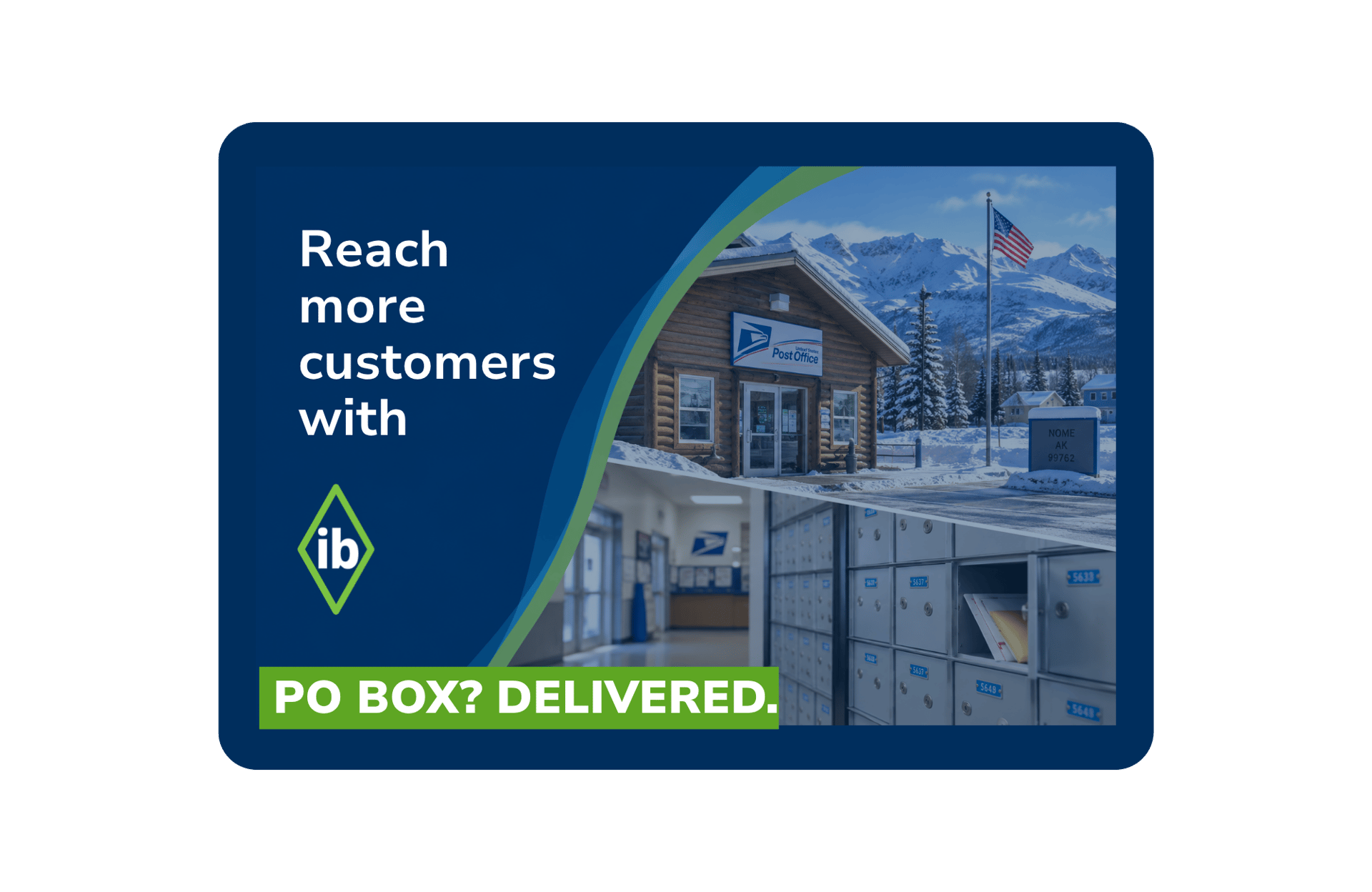
For many online shoppers, a PO Box is the only address they have. That shopper might live in a rural community with no street delivery, belong to a military family stationed overseas, or simply prefer a PO Box for privacy and security. When a checkout page will not accept that address, those customers cannot complete the order.
For the customers who depend on a PO Box, checkout compatibility decides whether they can buy from a store at all. International Bridge routes non-continental orders through a network built to work with USPS for final-mile delivery. PO Box addresses across Hawaii, Alaska, Puerto Rico, US territories, and military postal addresses are a standard part of the lane.
Why PO Boxes need a different delivery path
A PO Box is a locked receptacle inside a Post Office building, and only USPS staff can place mail or packages directly into it. Private carriers deliver to physical street addresses, where a driver can hand off, leave, or sign for a parcel. A PO Box has no door to knock on, so a standard ground shipment from a private carrier cannot complete delivery there. Some carriers offer hybrid services that hand a parcel to USPS for the final leg, and coverage varies by provider and service level.
USPS also offers Street Addressing at participating Post Offices, which lets a box holder who opts in receive private-carrier packages at the Post Office’s street address. A retailer cannot tell at checkout whether a customer has it, so a standard PO Box address still needs a USPS handoff.
PO Box access belongs to USPS by design. A network’s ability to reach a PO Box customer depends on its USPS relationship for final-mile delivery. For an online retailer, routing a PO Box order correctly requires a partner with that USPS handoff already built in. IB Non-Con is built around that requirement across every non-continental lane it serves.
Reaching customers in remote Alaska
Alaska is the clearest example of why PO Box compatibility is a business decision. Many rural and off-road Alaska communities have limited or no street-level residential delivery, so residents pick up mail and packages at the local post office, often through a PO Box. Alaska’s congressional delegation has described some of these locations as "post office box only" communities, where a PO Box is the only mail system available.
This does not describe every remote Alaska address. Reliance on PO Boxes varies by community, and some rural areas have limited street delivery alongside PO Box options. For many Alaska customers, a store that refuses PO Box orders is a store that cannot serve them.
International Bridge has operated non-continental lanes for more than two decades. Alaska PO Box orders move through the same USPS relationship that reaches rural and urban addresses across the state. Post-office-box-only destinations are a regular part of that lane, with remote delivery windows planned community by community. For more detail on how delivery timing differs between Alaska’s metro and remote communities, see the Alaska shipping page.
Serving military and diplomatic addresses
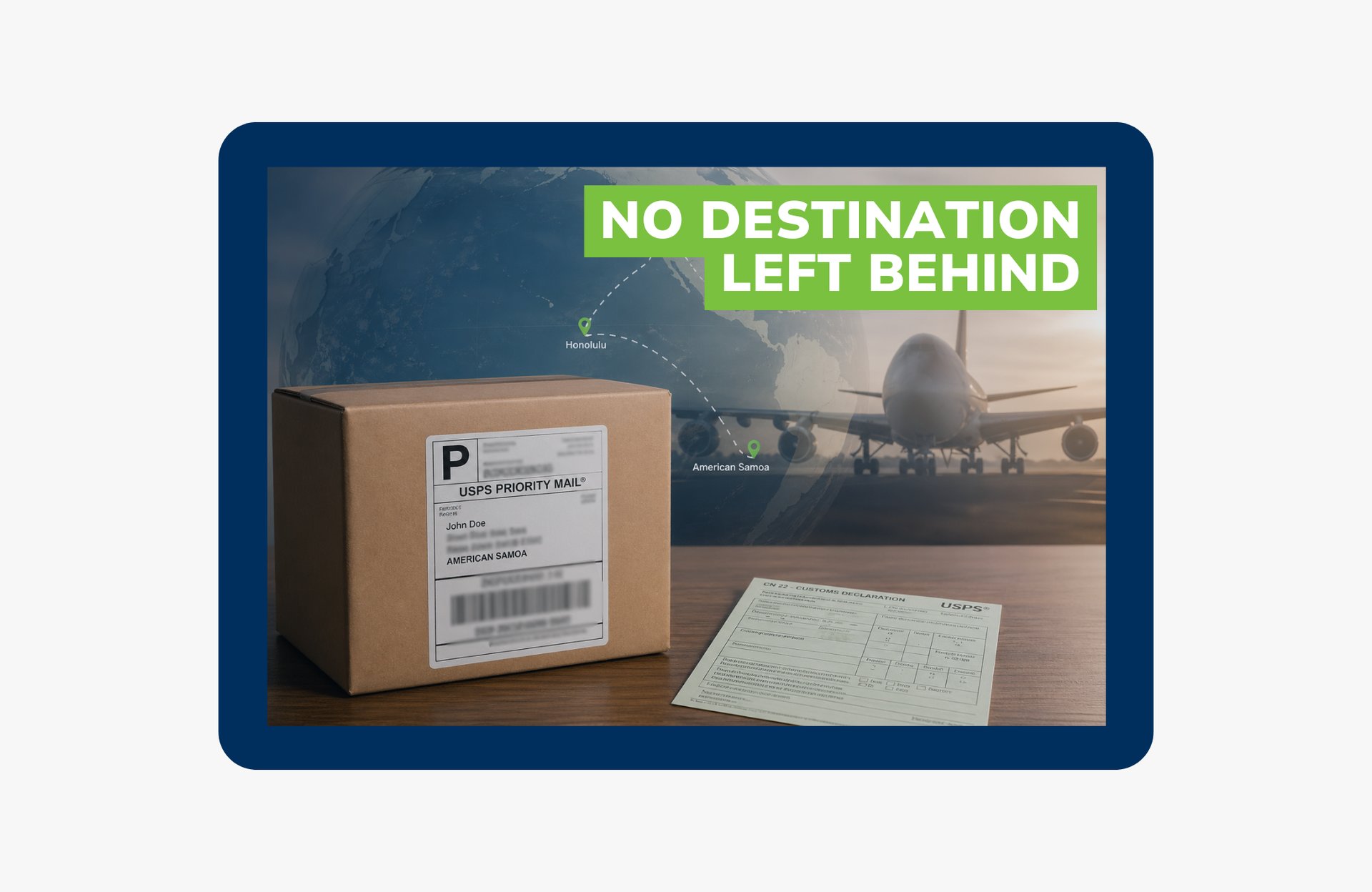
APO, FPO, and DPO addresses work like PO Boxes in one important way. Delivery depends entirely on the USPS military and diplomatic postal system, so private carriers without a USPS relationship cannot reach them. Service members, their families, and diplomatic personnel stationed away from the continental United States rely on this system to receive orders that mainland customers get without a second thought. Supporting these addresses reaches a customer base with few practical alternatives for receiving online orders.
The full mechanics of shipping to APO, FPO, and DPO addresses, including formatting and customs requirements, are covered in IB’s guide to military address shipping. The short version for this article: only a network with a USPS handoff can reach these addresses.
Removing an unnecessary checkout barrier
When a checkout does not accept PO Box addresses, the customer sees the order rejected or abandons the purchase. That customer does not necessarily have a street address to substitute. In many cases, the PO Box is the only address on file, and the sale is lost without the retailer ever learning why.
PO Box compatibility removes this barrier without adding complexity to checkout. The address format is standard and easy to validate. The complexity lives in the shipping network, so the fix belongs with a shipping partner whose network already resolves it.
Expanding coverage without building a separate network
USPS reaches communities and postal destinations across the country that a purely private carrier network was not built to serve directly, including many rural, remote, and military addresses. International Bridge’s relationship with USPS for final-mile delivery lets merchants use that reach through one shipping setup, with no separate process for PO Box orders.
Why this matters most for non-continental shipping
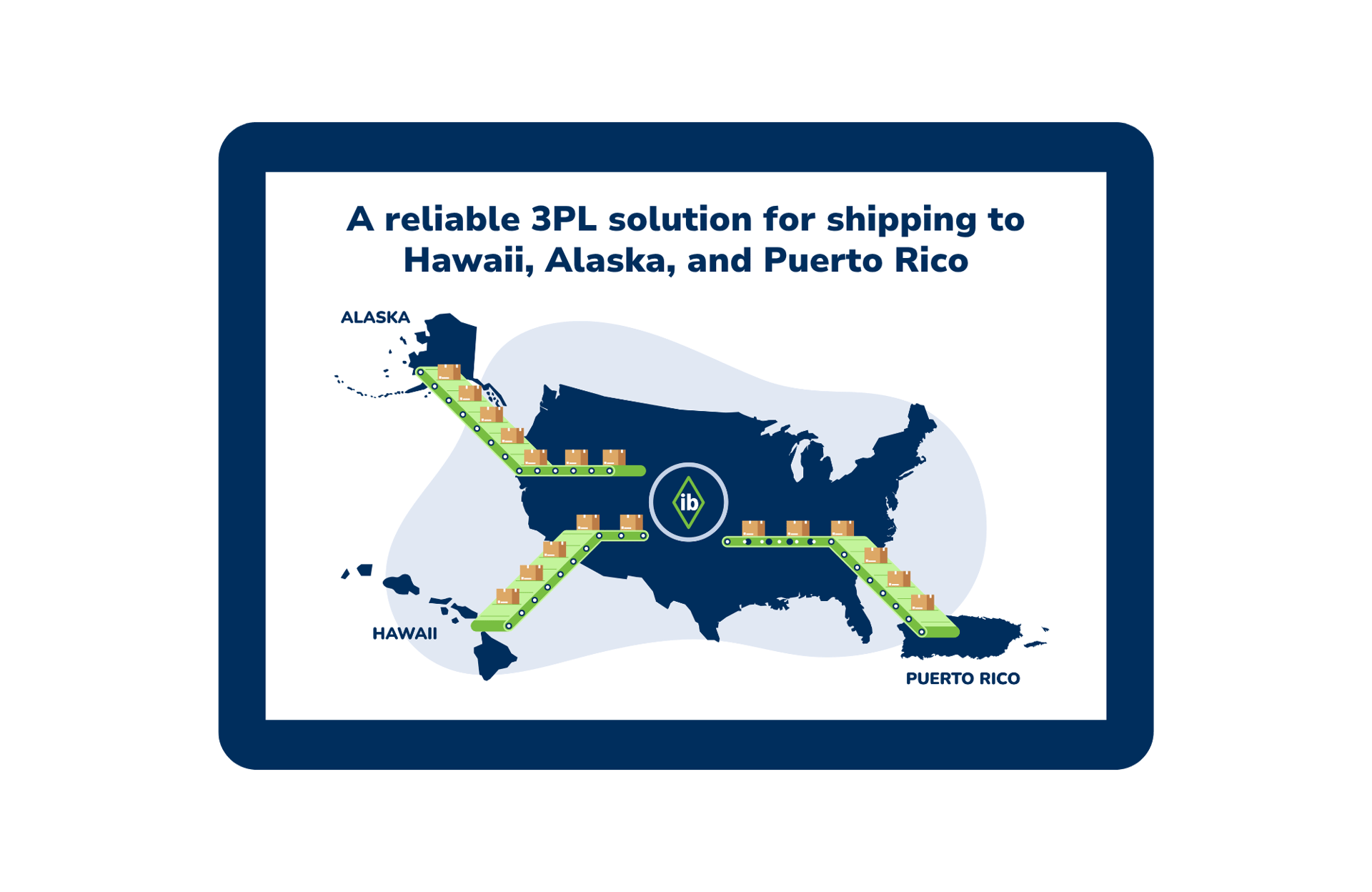
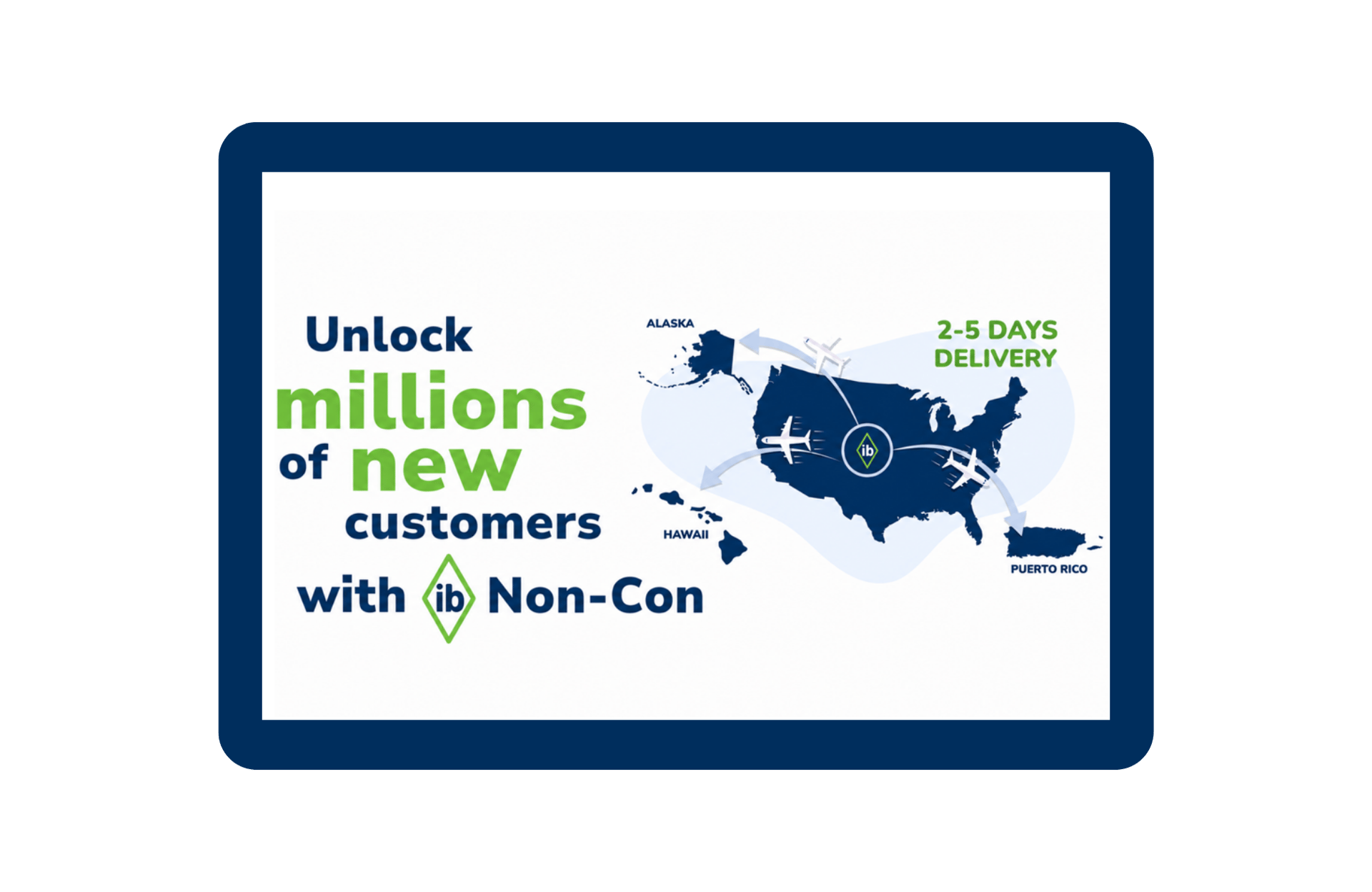
PO Box reliance is uneven across the country. It runs high in many of the places where non-continental shipping already requires specialized handling. That includes rural Alaska, military postal addresses, and communities across Hawaii, Puerto Rico, and the US territories, where address formats and delivery infrastructure differ from the mainland US. A shipping network built for these lanes has to account for PO Box delivery as a matter of course. The definitive guide to shipping to Hawaii, Puerto Rico, and Alaska maps out how those lanes are constructed.
This is part of why International Bridge treats PO Box compatibility as a core part of IB Non-Con, built on more than two decades operating these lanes. The same USPS relationship that reaches a rural Alaska village or a military family overseas also reaches a customer who simply prefers a PO Box in any US city.
PO Boxes are a choice, not a downgrade
For many customers, a PO Box is a reliable, familiar way to receive mail and packages, and for some, it is the only one available. Supporting PO Box delivery means making checkout work for the way customers actually receive mail.
For the shoppers who need it, PO Box compatibility decides whether they can shop with a retailer at all. That makes it worth building into the network from the start.
Where to start
Contact the IB team about PO Box compatibility across your non-continental lanes. We will review which destinations depend on PO Box delivery, including Alaska and military addresses.
Then we will show how IB Non-Con’s USPS relationship covers them.
Continue reading
The definitive guide to shipping to Hawaii, Puerto Rico, and Alaska: the architectural overview of how the non-continental lanes are built, for the full picture before a conversation.
Alaska shipping guide: destination detail on Alaska transit timing and coverage, including remote communities.
IB’s guide to military address shipping: formatting, customs, and ZIP-code specifics for APO, FPO, and DPO orders.
Frequently asked questions
Can I ship an e-commerce order to a PO Box?
Yes, when the shipment moves through USPS for final delivery. USPS is the only carrier permitted to place mail or packages directly into a PO Box, so a shipping network needs a USPS handoff to complete that delivery. A retailer whose network lacks that handoff will see PO Box orders rejected at checkout or returned in transit.
Can national carriers deliver directly to a PO Box?
Standard ground services from national private carriers generally do not deliver directly to a PO Box. PO Boxes sit inside Post Office buildings, and only USPS staff can place items in them. Some private carriers offer hybrid services that hand the parcel to USPS for the final leg. Coverage and service levels vary, so retailers should confirm PO Box eligibility for each service before offering it at checkout.
Does International Bridge deliver to PO Box addresses?
Yes, IB Non-Con routes PO Box orders through International Bridge’s relationship with USPS for final-mile delivery. This applies across the non-continental lanes International Bridge serves, including Hawaii, Alaska, Puerto Rico, US territories, and military postal addresses. Merchants do not need a separate process for PO Box orders, since the same non-continental network handles them.
Do all rural Alaska customers rely on PO Boxes?
Many rural and off-road Alaska communities rely heavily on PO Boxes, though reliance varies by community. Some locations have no street-level delivery at all, so a PO Box at the local post office is the only way residents receive mail and packages. A retailer serving Alaska customers should treat PO Box compatibility as a standard requirement.
Can I ship to a military APO, FPO, or DPO address the same way as a PO Box?
These addresses work under a similar principle: only USPS can complete delivery, so a shipping network needs a USPS relationship to reach them. APO, FPO, and DPO addresses have their own formatting and customs requirements that differ from a standard PO Box. Retailers shipping to military addresses should follow the formatting guidance in IB’s guide to military address shipping.