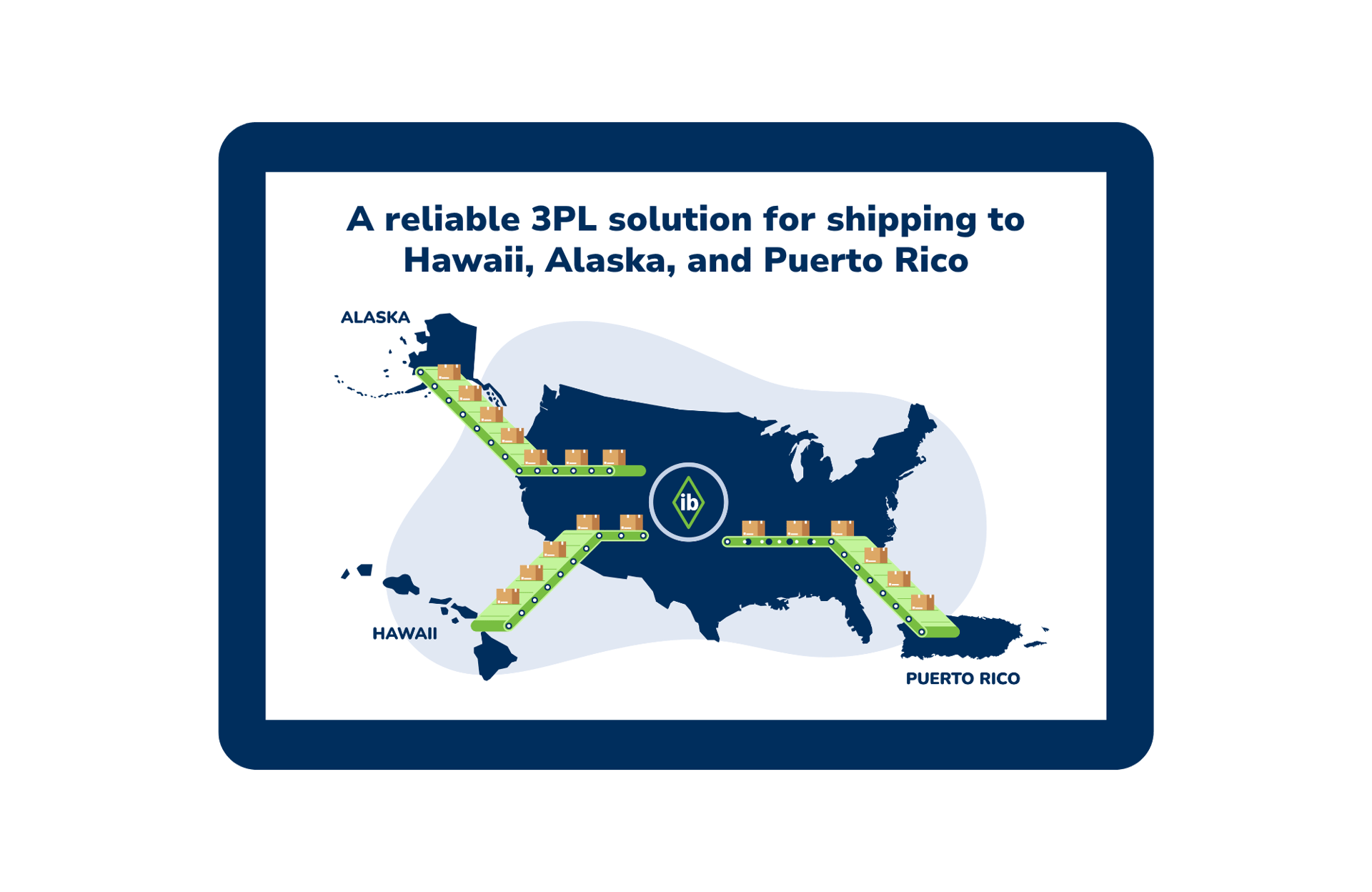
How do you protect your brand when you ship to Hawaii, Alaska, and Puerto Rico?
On shipments to Hawaii, Alaska, and Puerto Rico, your brand promise travels through a chain you do not operate. Brand protection on these lanes is an operational question, decided at four points.
Your brand promise does not end at checkout. On non-continental lanes it travels through a chain you do not operate, and your customer credits you, or holds you responsible, for what happens in it.
Most retailers treat brand protection as a marketing job: the logo, the packaging, the tone of a confirmation email. On a shipment to Hawaii, Alaska, or Puerto Rico, the brand promise gets tested somewhere the marketing team never sees, in a chain of handoffs the retailer does not run.
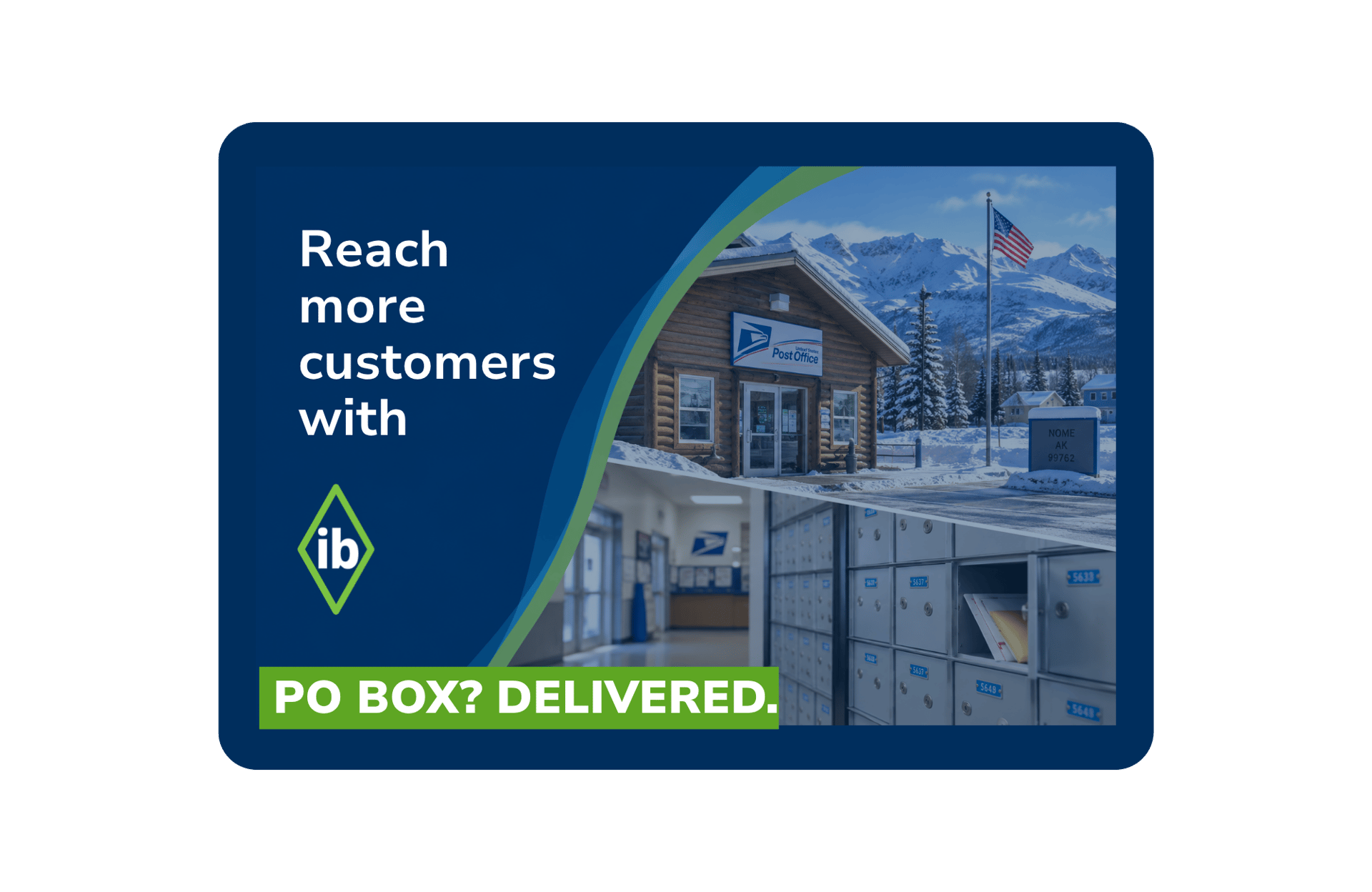
The parcel leaves your warehouse and moves by air. It changes hands for the last mile in a market far from the mainland US. Days later it reaches the recipient. That could be a Hawaiian metro or outer island, an Alaskan city or remote community, an address anywhere across Puerto Rico, a US territory, or a military base.
Every step in that chain either holds the experience or breaks it. And the research on delivery is consistent on one point: when it breaks, the customer blames the brand, not the carrier.
AlixPartners’ 2026 Home Delivery Survey found that more than half of shoppers stop buying from a retailer after one or two failed deliveries. The retailer absorbs the commercial cost even when a carrier caused the problem.
So brand protection on these lanes is an operational question. It is decided at four points, and each one has something specific that holds it. The detail follows below.
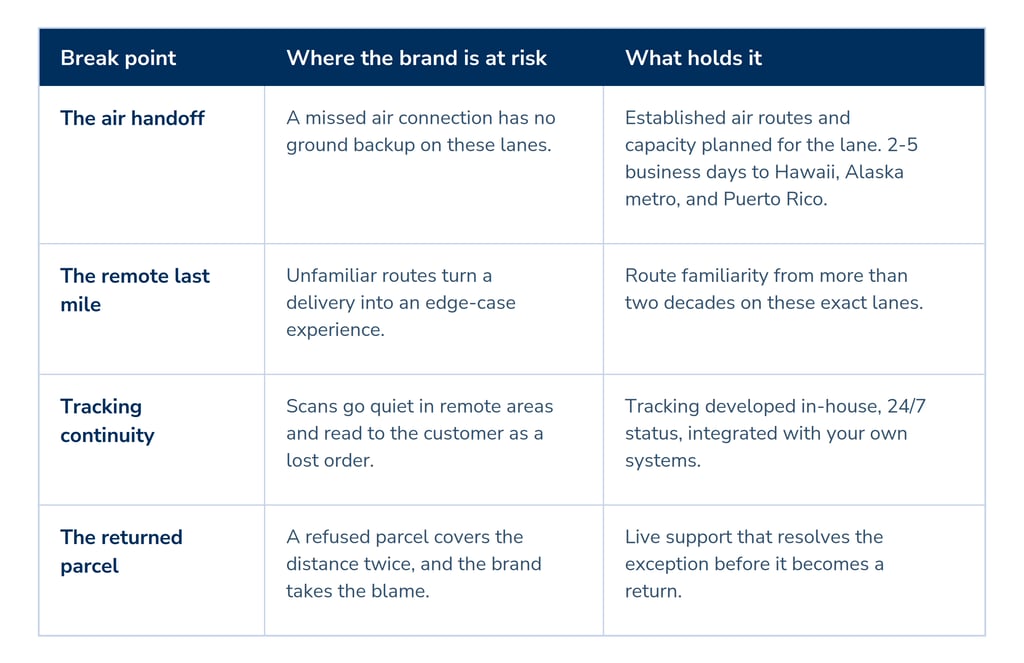
The air handoff
Every parcel bound for a non-continental destination moves by air. Air is the only method fast enough for small-parcel e-commerce to these destinations. Ground and ocean transport serve freight like furniture and vehicles, not a two-pound order a customer is waiting on. Air is faster, and it also removes the safety net. On the mainland US, a missed truck connection has ground backup and next-day recovery. On an air lane, a missed connection has no ground alternative, so the lift has to be planned in advance.
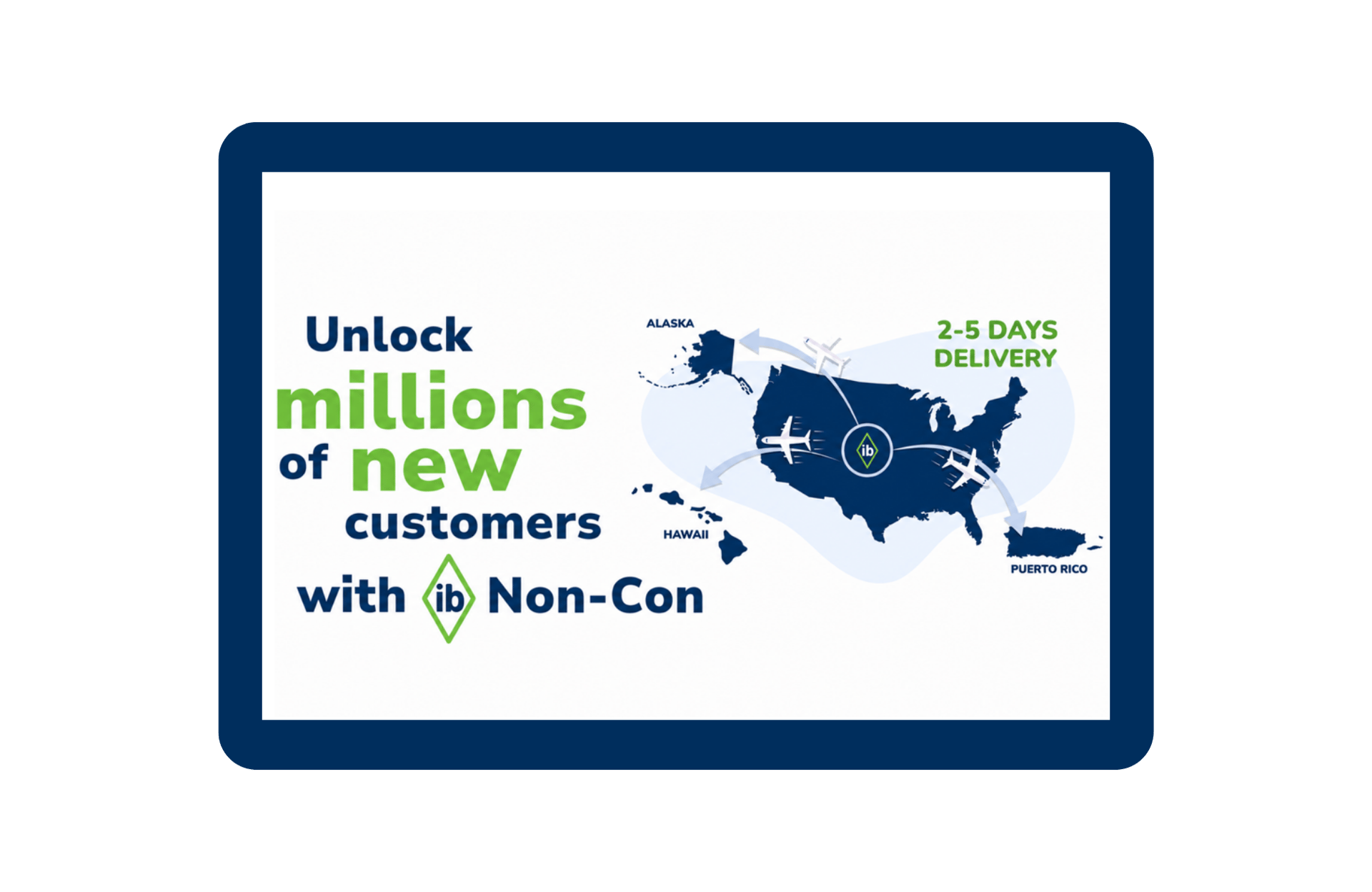
What protects the brand here is established air routes and capacity planned for these lanes. That capacity is held through the peak weeks, when mainland US networks are stretched thin. That is what keeps delivery at 2-5 business days across Hawaii, Alaska metro, and Puerto Rico, the window your customer was promised at checkout. The definitive guide to shipping to Hawaii, Puerto Rico, and Alaska sets out how the wider network is built to hold that window.
The remote last mile
The last leg to a non-continental address asks more than the last leg on the mainland US. Delivery to a home in San Juan, an address in interior Alaska, or a neighborhood across the islands of Hawaii each behaves differently. A network that treats them as edge cases delivers an edge-case experience.
What protects the brand here is route familiarity earned over more than two decades on these exact lanes. Across the islands of Hawaii, and across Puerto Rico including the outer municipalities and the mountainous interior, delivery holds at 2-5 business days on the same network that serves the metros. Rural and off-road Alaska runs on wider windows, set by air capacity and last-mile infrastructure at the destination. The value there is an honest, predictable delivery window the customer can plan around. A customer rarely learns that their address was harder to reach, and the Puerto Rico shipping page covers how that lane is served. That invisibility is the point.
Tracking that stays consistent
Between dispatch and delivery, the tracking page is the brand. It is the one surface the customer checks, sometimes daily. In stretches of rural Alaska, connectivity drops and scans can go quiet for a leg of the journey. To a customer refreshing a tracking page, silence reads as a lost order, and the support request that follows lands on your team.
What protects the brand here is tracking technology developed in-house, with status that stays legible through the quiet stretches, supported by tracking and self-service FAQ available 24/7. Shipment status also integrates with the platforms retailers already run, so retailers and customers see the same information. When a customer wants to talk to someone, live customer service runs Monday-Friday 24 hours and Saturday 9:30am-1:30pm MST, in English and Spanish. That bilingual team is the same one that represents your brand to a shopper in Puerto Rico, and our customer service for non-continental US shipping covers what that looks like day to day.
The returned parcel
A refused or unclaimed parcel is where distance shows its full cost. On the mainland US, a return is a short round trip. On a non-continental lane, the parcel covers that distance twice, and the customer still holds the retailer responsible for the order that never arrived. The reputational cost and the freight cost land together.
What protects the brand here is catching the exception before it becomes a return. A parcel with a wrong address, a missed delivery window, or a recipient who needs to be reached, resolved early by a live agent, mostly never travels home. Reserving proactive contact for the orders that need it is quiet work, and it is where a specialist network earns its keep on these lanes.
What brand protection actually looks like
After more than two decades on these lanes, the pattern is consistent: the failures that damage a brand are operational, and each one is preventable. Protecting a brand here comes down to consistency. The shopper in Kona or San Juan gets the experience the shopper in a mainland US metro gets. Delivery holds at 2-5 business days, with a tracking page that stays consistent and a person to reach when something moves off-plan. That belief, that every destination deserves the same standard of service, is Inspire Aloha. It is why these lanes are built as primary service on infrastructure designed for them.
Smaller-volume shippers reach the same standard through consolidation. Box of Savings pools parcels to reduce shipping cost by approximately 30% versus standard national carriers, without giving up the delivery window or the tracking.
Map your brand-risk points to your actual lanes
Tell us the destinations you ship, the order types, and where customers raise concerns. Our team will map these four points against your real volume and show you what changes. There is no commitment in the conversation.
Keep reading
Definitive guide to shipping to Hawaii, Puerto Rico, and Alaska. The full picture of how the network is built across all three lanes.
IB Non-Con service overview. How the service is structured and what it is built to handle.
Box of Savings consolidation. The path for smaller-volume shippers into IB Non-Con’s consolidation economics.
Frequently asked questions
Why does a delivery problem on a non-continental lane hurt my brand more than the carrier?
Customers hold the retailer responsible for the delivery experience, even when a carrier handles the parcel. On a non-continental lane the stakes are higher, because the parcel travels farther, the last mile is less familiar, and a single failure is harder and slower to recover. The retailer therefore carries both the reputational cost and, on a returned parcel, the freight cost of a distance covered twice.
How do I keep the customer experience consistent across Hawaii, Alaska, and Puerto Rico?
Consistency comes from treating these destinations as primary lanes, with planned air capacity, familiar last-mile routes, and honest tracking. A purpose-built non-continental network delivers to Hawaii, Alaska metro, and Puerto Rico in 2-5 business days, the same window a customer expects on the mainland US. The practical result is that a shopper in San Juan or Anchorage receives the experience a shopper in a mainland US metro receives.
What happens to my brand when tracking goes quiet in a remote area?
In some remote areas connectivity drops and scans pause for part of the journey, which a customer can read as a lost order. Tracking technology developed in-house keeps the status legible through those stretches, and self-service tracking and FAQ are available 24 hours a day, 7 days a week. When a customer prefers to speak with someone, live support is available Monday to Friday 24 hours and Saturday 9:30am to 1:30pm MST, in English and Spanish.
Does protecting the customer experience on these lanes cost more?
It costs less than most retailers expect, because a network built for these lanes removes the surcharges and recovery costs that standard networks add. Consolidation through Box of Savings reduces shipping cost by approximately 30% compared with standard national carriers. A retailer can therefore offer these markets a strong experience without pricing themselves out of serving them.